Beyond the Hype: Is Apple's Neuralink Integration the Future of Gadgets?
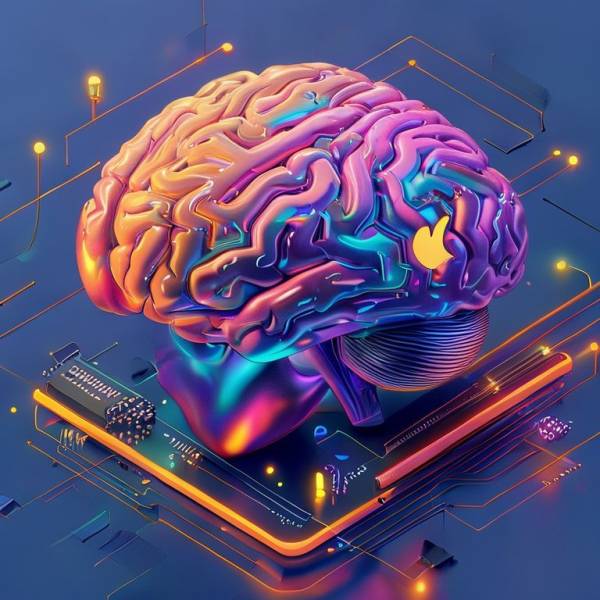
The Convergence of Brain-Computer Interfaces and Apple's Ecosystem
The year is 2025, and the tech world is buzzing about Apple's rumored integration with Neuralink. The initial skepticism surrounding brain-computer interfaces (BCIs) in consumer gadgets is slowly fading as the technology matures and becomes more accessible. But, is it truly the next big thing, or just another flashy tech fad? This article dives deep into the potential, the challenges, and the ethical considerations of such a groundbreaking integration.
Neuralink x Apple: A Match Made in Silicon Heaven or a Privacy Nightmare?
Seamless Device Control
Imagine controlling your iPhone, Apple Watch, or even your Apple Car with just your thoughts. Neuralink's technology, coupled with Apple's user-centric design, promises an unprecedented level of seamless device control. No more fumbling with your phone while driving; a simple thought could change the song or adjust the navigation.
Enhanced Accessibility
Beyond convenience, a Neuralink-Apple integration holds immense potential for individuals with disabilities. It could provide them with unprecedented control over their environment and enable them to interact with technology in ways previously unimaginable. Imagine a quadriplegic individual controlling a robotic arm or communicating through text with just their thoughts. This is not just technological advancement, it's empowerment.
Privacy Concerns and Data Security
- The sheer volume of neural data generated and transmitted raises serious privacy concerns.
- Who owns this data, and how is it protected from misuse or breaches?
- Apple's track record in data privacy will be under intense scrutiny if this partnership comes to fruition.
The question isn't *if* this technology will arrive, but *how* it will be deployed responsibly and ethically. The potential benefits are undeniable, but the risks are equally significant.
The Competition: Google, Huawei, and the Race for BCI Dominance
Google's AI-Driven Approach
While Apple is focusing on direct integration, Google is exploring AI-driven solutions that interpret brain signals without requiring invasive implants. This approach, while less precise, addresses the ethical concerns surrounding surgical procedures and data privacy. Google's Tensor Processing Units (TPUs) are poised to handle the complex algorithms required to translate thoughts into actions.
Huawei's Focus on Healthcare Applications
Huawei is taking a different approach, concentrating on the healthcare applications of BCI technology. They are developing devices that can monitor brain activity, detect early signs of neurological disorders, and provide personalized treatment plans. While less glamorous than controlling your smart home with your mind, this application holds immense value for improving public health.
Lenovo's Enterprise Solutions
Lenovo, traditionally known for its PCs and laptops, is exploring the use of BCI technology in enterprise solutions. Imagine employees controlling complex machinery with their thoughts, improving productivity and reducing the risk of human error. This niche market could prove to be a significant revenue stream for Lenovo in the long run.
Conclusion: The Future is Now, But Caution is Key
The integration of BCIs into consumer gadgets is no longer a distant dream but a rapidly approaching reality. While Apple's potential foray into this space is generating significant buzz, it's crucial to consider the ethical, societal, and practical implications of this technology. We must ensure that innovation is guided by a commitment to privacy, security, and accessibility for all.
Sumber Referensi
- Elon Musk's Neuralink: The Next Chapter in Brain-Computer Interfaces by Wired
- Apple and Neuralink: Rumors Heat Up About Future Integration by The Verge
- Google's Approach to Brain-Computer Interfaces: AI and Non-Invasive Solutions by TechCrunch
- Huawei Focuses on Healthcare Applications of Brain-Computer Interface Technology by Huawei News
- Lenovo Explores BCI Enterprise Solutions by Lenovo Press Release